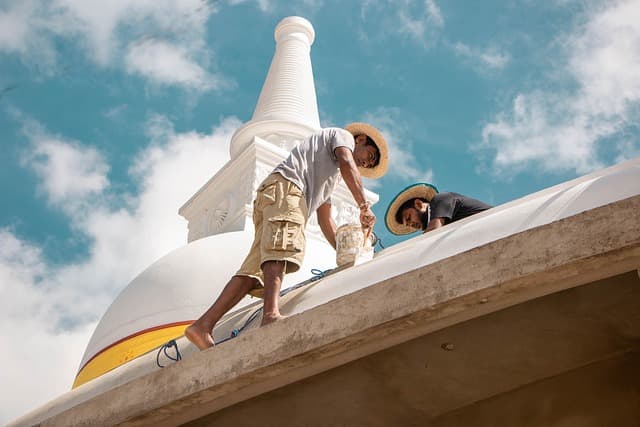
For many people, a house is more than just walls and a roof. It is the foundation of stability, well-being, and hope for the future. Habitat for Humanity helps make the dream of a comfortable home a reality—even for those who have long believed it was impossible. This story is about how the joint efforts of volunteers and future residents are changing lives and creating a world where decent housing is accessible to everyone.
From farm roots to a global movement
Habitat for Humanity was founded in 1976 by Millard and Linda Fuller, and the idea was born in the interracial community of Koinonia Farm in Georgia. There, the principles of partnership housing were laid down: families in need and volunteers built houses side by side, on a non-profit basis, with affordable interest-free loans for family payments.
Today, Habitat operates in more than 70 countries, helping millions of people find hope and security in their own homes.
Partnership, not charity
The key principle is “sweat equity”: families who receive homes contribute by building or renovating themselves, learning financial management, and making affordable contributions. Stable assistance is not a “gift” but a joint effort that fosters a sense of responsibility and dignity.
Legendary construction projects with the president
The annual Jimmy & Rosalynn Carter Work Project has become a symbol of solidarity. For example, in 1998 in Houston, 6,000 volunteers, including prisoners and future residents, built 100 houses in a week in extreme heat.
Since the project’s inception, thousands of homes have been built, both in the US and abroad, and the Carters’ active support has brought Habitat international recognition.
The house that changed everything — a story from Massachusetts
Recently, Binta Kinte, a single mother of four from Gambia, received a house built using wood from the Rockefeller Christmas tree of 2024. This symbolic material served as a reminder of community bonding and hope — for the Kinte family, their new home was a true new beginning.
Contribution and sustainable development: volunteers and projects
Every year, hundreds of thousands of people participate in Habitat’s homebuilding and initiatives, whether it’s ReStore programs that sell donated goods to fund construction, or educational projects, financial support, and crisis responses.
Conclusion
The story of a house is not just about walls and a roof, but about the opportunity to build a future with confidence. Habitat for Humanity brings together families, volunteers, communities, and leaders to provide not just temporary shelter, but a foundation for a stable and fulfilling life. A house doesn’t just change lives — it creates them.